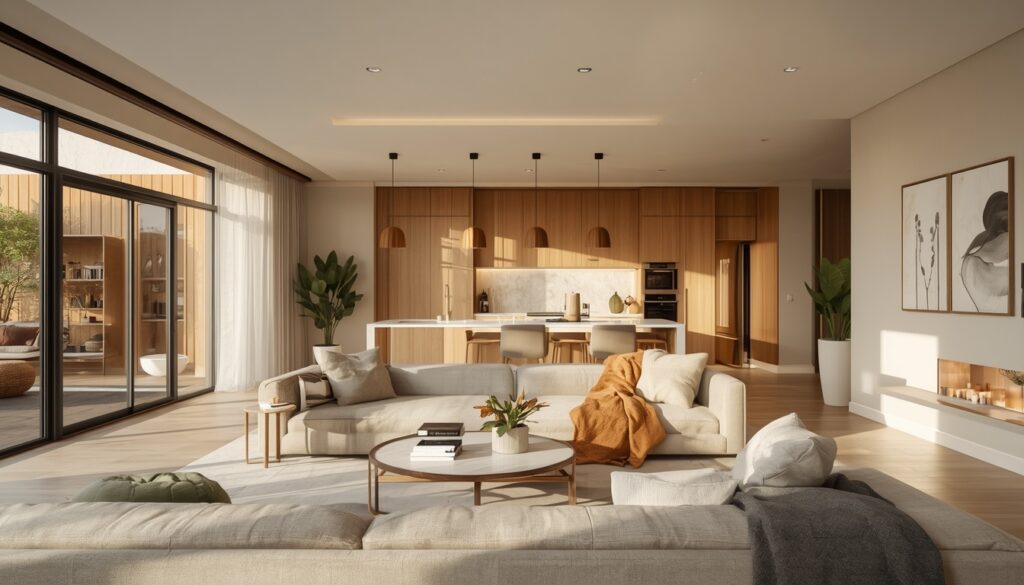
Picture a kitchen from a magazine. Marble counters, brass taps, not a single dirty mug. Now picture cooking dinner in it with two kids underfoot and discovering there’s nowhere to put the chopping board. That gap between how a room photographs and how it lives is where a lot of renovations go wrong.
“Homenumental” is a term you’ll run into online. It’s not a building code or a recognized design method, just a loose way of describing a home that feels like yours: practical, a bit distinctive, easy to remember. We’re borrowing it here because the idea is a good one. You can do it in a one-bedroom flat or a five-bedroom house.
The first move isn’t buying anything. It’s paying attention to how you live. Which rooms do you actually use? What annoys you every single day? Start there, then fit the answers to your budget and what the house can handle.
Introduction: How to Design Home Renovation Homenumental
Every renovation needs a reason. Yours might be a kitchen that can’t fit two cooks, a bathroom with a leak you’ve been ignoring, or a family that has simply outgrown the living room. Write the problem down before you start scrolling through inspiration photos. Seriously. It keeps your home remodeling design pointed at real needs and away from whatever’s popular this season.
Then look at the whole house. A new kitchen has to get along with the dining area beside it. Better storage in the hallway might ease the pressure on three other rooms. So treat modern home decor, home improvement tips, and interior decoration ideas as one plan, not a pile of separate shopping trips. What you want is a place that’s comfortable, easy to move through, and tough enough for real life.
What Does “Homenumental” Mean in Home Renovation?
Home plus monumental. Sounds grand, but it doesn’t have to cost a fortune. Think of it as a renovation that gives your house a clear personality and makes it work better too. A modest house with smart home renovation ideas, sensible materials, and rooms planned with care can feel more special than a big one with none of that.
Looks and usefulness belong together. A room should be pleasant to sit in and easy to keep clean. Good residential interior design pays attention to the homeowner, the character of the building, and whoever walks through the door each day. Copying a showroom or a trending post matters a lot less.
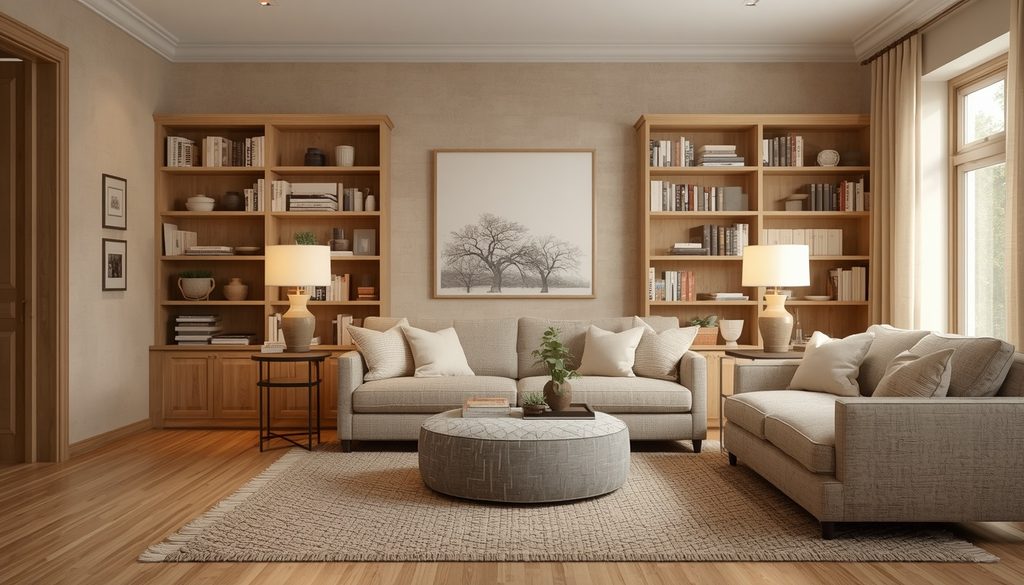
Step-by-Step Guide to Designing a Homenumental Home Renovation
1. Define Your Vision and Goals
Grab a notebook and walk through your house slowly. Write down everything that bugs you. The dark corner nobody uses. The doorway you clip with your hip. The cupboard that avalanches when you open it. Then ask the people you live with. They’ll have complaints you’ve never heard, and some of them will be better than yours. All of this feeds your home renovation planning, and it stops you from paying for work you don’t need.
Now sort the list. Some things are repairs: a leaking roof, wiring that makes you nervous, a pipe that drips. Others are wants. Repairs go first, always. Once those are handled, the fun part starts, and you can look at modern home interiors and interior renovation ideas. Save photos you love, but jot down why. Maybe it’s the light. Maybe it’s the layout. Often it isn’t the whole room at all.
2. Set a Realistic Budget
The budget has to cover more than what you see in the pictures. Labor, permits, delivery, hauling away the old stuff, inspections, and possibly a few weeks of eating takeout if your kitchen is torn apart. Add a cushion on top. Your home renovation budget should expect surprises, because older houses are full of them: rotten framing, ancient wiring, slow leaks that nobody noticed until the wall came off.
Figure out your priorities before anyone sends you a quote. Where does quality matter, and where doesn’t it? “Budget-friendly” doesn’t mean buying the cheapest version of everything. It means paying for the things that protect you and last, and skipping upgrades that don’t earn their keep. When the estimates come in, check that each contractor priced the same job. Otherwise you’re comparing apples and oranges.
Budget Planning Table
| Budget category | What to include |
|---|---|
| Design and planning | Drawings, consultations, measurements |
| Permits and inspections | Local approvals and required inspections |
| Labor | Contractor and specialist fees |
| Materials | Flooring, cabinets, fixtures, paint |
| Systems | Electrical, plumbing, heating, cooling |
| Finishing | Lighting, hardware, trim, decoration |
| Contingency | Money reserved for unexpected work |

3. Choose the Right Design Style
A house feels put together when its rooms share a look. That might be contemporary, traditional, or something plain with natural finishes. Browse minimalist home design, contemporary home design, and general home decor ideas until something clicks. You don’t have to follow trends. Pick what suits the house and what you’d happily look at for ten years.
The building itself gets a vote. Original woodwork? It’ll probably look best in a traditional scheme. A newer house might want cleaner lines. Mixing styles and worried it’ll look chaotic? An interior designer can help you blend them. A steady color palette, a few materials you repeat, and small decorative touches will do most of the work.
Popular Styles for a Homenumental Renovation
| Design style | Common features | Works well for |
|---|---|---|
| Modern | Clean lines and simple finishes | Open, uncluttered rooms |
| Contemporary | Current materials and flexible layouts | Updated family homes |
| Traditional | Detailed trim and classic furniture | Older or character homes |
| Minimalist | Limited decoration and practical storage | Smaller spaces |
| Transitional | Mix of classic and modern elements | Homes with varied architectural features |
4. Optimize Space Planning
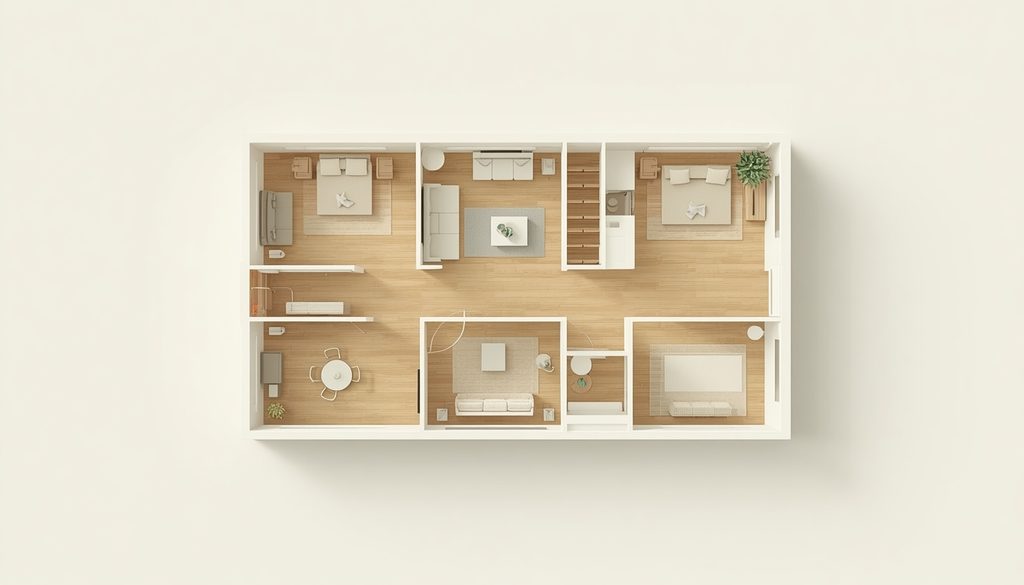
Some rooms are big on paper and still feel tight. Usually it’s the furniture. A sofa in the wrong place, a walkway that’s too narrow, a corner that collects boxes. Space planning is really just watching how people move through the house and where life happens. And removing a wall won’t automatically fix anything. Open floor plans are lovely for some families and miserable for others.
Measure before you decide. Rooms, windows, door swings, and every piece of furniture you’re keeping. You should be able to walk past the sofa, open a cabinet all the way, and pull out a chair without hitting something. In a small house, built-in storage and furniture that does two jobs can do a surprising amount without touching a single wall. A designer will often see options you’d miss.
5. Focus on Lighting Design
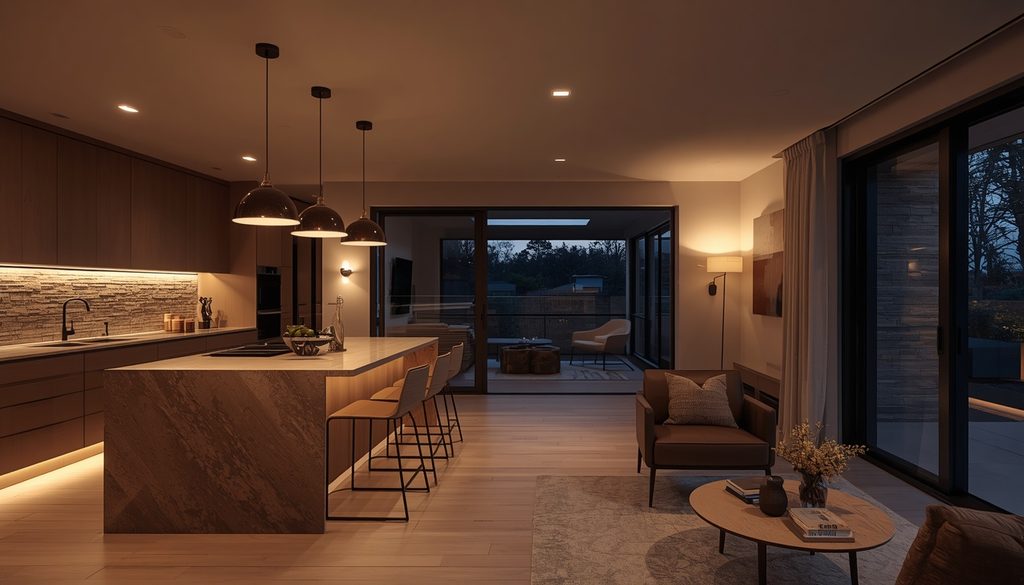
Good lighting is easy to ignore until it’s missing. One bulb in the middle of the ceiling never works. You need general light for the room, task lighting where you read or cook, and softer accent light for atmosphere. Do that right and home lighting design takes care of reading, chopping onions, working at a desk, and getting downstairs without a scare.
Start with daylight. Window placement, curtains, mirrors, and paler walls all help it travel further into the room. Add decorative lighting after that. A living room likes a warm glow, but a kitchen needs bright, focused light over the counter. A gorgeous pendant won’t help you slice a tomato.
Types of Lighting
| Lighting type | Purpose | Example |
|---|---|---|
| Ambient | General room illumination | Ceiling fixtures |
| Task | Supports specific activities | Under-cabinet lights |
| Accent | Highlights selected features | Wall washers or spotlights |
| Decorative | Adds visual character | Pendant lights or sconces |
| Natural | Uses daylight | Windows and skylights |
6. Select High-Quality Materials
Materials decide how a room looks, how it feels, and how it ages. That glossy floor in the showroom might be a nightmare with a muddy dog and two toddlers. Before buying, compare how tough it is, how easy it is to clean, what the installation costs, and how long it should last. Sustainable home materials can cut waste as well, provided they’re responsibly sourced and right for the job.
Wood, stone, and tile each come with strengths and drawbacks. Choose home flooring options by thinking about moisture, foot traffic, and how much upkeep you can stomach. In kitchens and bathrooms, read the product specs properly. Cabinets, fixtures, and work surfaces take a beating daily. And a higher price doesn’t guarantee better performance.
Material Comparison Table
| Material | Advantages | Considerations |
|---|---|---|
| Hardwood | Long-lasting and repairable | Can be affected by moisture |
| Porcelain tile | Durable and water-resistant | Hard underfoot |
| Laminate | Often budget-friendly | Quality and moisture resistance vary |
| Natural stone | Distinctive appearance | May need sealing and maintenance |
| Engineered wood | Stable construction | Surface repair options vary |
7. Incorporate Smart Home Features
Smart tech is brilliant when it solves an actual problem. Programmable thermostats, smart lights, door locks, and leak sensors are the common ones. Weigh energy use, convenience, privacy, and reliability before you buy anything. A gadget that’s a hassle to run isn’t an upgrade, whatever the box says.
Run the wiring and network cable before the walls are closed. Cutting them open later is a pain and costs more. Check that your devices can talk to each other, and that lights and locks still work by hand when the internet goes down. Energy-efficient home upgrades can also lower your running costs, though how much depends on your house and local rates. Pick the features you’ll really use. Skip the gadget-in-every-room approach.
8. Focus on Color Psychology
Color shifts the mood of a room, but it depends on the light, the materials nearby, and your own taste. A pale shade can make a small room feel roomier. A deep one adds warmth and drama. Paint a few samples on different walls and look at them in the morning, then again after dark. They change more than you’d think.
Keep a small set of related colors running through the house so it feels connected. Bring in contrast with wall paneling, art, textiles, and a few well-chosen furniture pieces. Keep decor in proportion to the room. A good color plan can tie the living room, dining room, and bedroom together without making them look like clones.
Color Guide
| Color family | Common design effect | Possible use |
|---|---|---|
| Warm neutrals | Comfortable and welcoming | Living rooms |
| Cool neutrals | Calm and understated | Bedrooms |
| Earth tones | Natural and grounded | Shared spaces |
| Deep blues and greens | Rich and dramatic | Accent walls |
| Soft whites | Bright and simple | Smaller rooms |
9. Hire Professionals vs. DIY
Some jobs suit a confident homeowner. Plenty don’t. Painting a room or building flat-pack furniture? Most people can manage. Structural changes, electrical work, gas lines, and major plumbing? Those belong to people who do them for a living. DIY should never mean skipping safety or local building rules.
When you hire, get several written estimates and check licenses, insurance, references, and previous work. Ask who’s pulling the permits and booking inspections. Consumer protection agencies generally advise getting the scope, schedule, and payment terms in writing, and that’s good advice anywhere. Rules vary by state and city, so look up your local requirements before anything starts.
When to Hire Experts
Call a qualified pro whenever the work touches structural safety, electrical, plumbing, heating, cooling, or building code. Big layout changes or an addition might need an architect or engineer. A landscape designer is worth it for tricky outdoor areas, drainage, and planting plans. Whoever you pick, confirm they’re qualified for your area and your kind of project.
When DIY Works
DIY is fine for painting, simple shelves, putting furniture together, and some decorative updates. Be honest about your time, tools, and skills. A mistake that needs a professional to undo can cost more than hiring one in the first place. And stop at once if you find damaged wiring, water getting in, signs of structural movement, or old materials that could be hazardous.
10. Timeline Planning
A realistic schedule stops contractors, deliveries, inspections, and your own life from crashing into each other. How it looks depends on the size and condition of the house. A whole-house renovation needs far more planning than redoing one bathroom. Bigger residential remodeling jobs may need design approvals, engineering, permits, and specialist trades booked before anyone picks up a hammer.
Don’t promise yourself a firm finish date. Late materials, inspections, bad weather, and surprises behind the walls can all push things back. Build slack into your home renovation timeline and be clear about who’s responsible for each stage. Before you approve any extra work, ask the contractor how it’ll change the cost and the schedule.
Renovation Timeline Table
| Stage | Typical activities |
|---|---|
| Planning | Goals, measurements, budget, design |
| Approvals | Permits, engineering, selections |
| Preparation | Ordering materials and arranging access |
| Demolition | Removing selected finishes and structures |
| Rough work | Structural, electrical, and plumbing work |
| Installation | Cabinets, flooring, fixtures, and surfaces |
| Finishing | Painting, trim, hardware, and lighting |
| Handover | Inspections, testing, corrections, cleanup |
Top Homenumental Design Ideas
You don’t need to redo every room. A few smart changes in the right places usually matter more. Start where your day actually happens: the kitchen, the bathroom, and the main living area. Go for modern living spaces that combine comfort with useful features. Skip decorative upgrades that have no purpose behind them.
Think about how inside meets outside, too. Outdoor living spaces stretch how a family uses its property, and a few simple home styling tips keep the interior feeling consistent. These ideas bend to fit different budgets and house sizes. Pick the ones that fix a real problem in your home.
1. Open Kitchen Concept
An open kitchen makes cooking and hanging out feel like one activity. Taking out a wall, though, isn’t a casual decision. That wall might be holding up the house, or hiding wiring, pipes, or ventilation. Get a professional to look before anyone starts demolition.
You can get an open feel without knocking anything down. Better storage, lighter finishes, and a well-placed island can change how people move around. Look at kitchen design ideas that suit your room’s real size. Choose durable counters, practical cabinets, and good task lighting. The best layout keeps prep, cooking, cleanup, and serving close together.
2. Statement Wall Design
A statement wall gives a room a focal point. Bold paint, wood panels, texture, or a well-placed piece of art can do it without changing the whole space. Choose the wall your eye goes to naturally, like the one behind the sofa or bed. And don’t pile on competing patterns.
Think about how it works with the floor, furniture, and lighting nearby. Art adds personality, and simple paneling adds depth. Choose home design inspiration that suits the scale of your room. A feature wall should support the overall design, not make the rest of the space look unfinished.
3. Indoor Plants
Plants bring color and texture and soften hard surfaces. They make bare corners friendlier. Before you buy, check how much light the room gets, the temperature and humidity, and how much time you’ll honestly spend looking after them. Indoor plant decoration only works when the plants suit the conditions.
Pick pots that fit the room and drain properly. A small group of plants usually looks better than lots of tiny pots scattered around. Look into indoor gardening and plant care tips as you choose. And if kids or pets share your home, check which plants are safe, because some can make them sick if eaten.
4. Luxury Bathroom Upgrade
A great bathroom isn’t just about expensive tile. Ventilation, solid plumbing, safe flooring, storage, and good lighting matter just as much. Fix leaks and moisture problems before you choose finishes. A well-planned bathroom remodeling project should leave the room easier to clean and safer to use.
Think about a walk-in shower, storage niches, water-saving fixtures, and surfaces that cope with constant moisture. Plan for access and future needs while you’re at it. Choose bathroom fixtures that are easy to maintain and fit your existing plumbing. And have a qualified pro check the waterproofing and ventilation before the walls get closed up.
5. Custom Furniture
Furniture should fit the room. Not the other way around. Oversized pieces block walkways, and tiny ones make a big room feel empty. Measure carefully before you order, and leave space for doors, drawers, and moving around.
Custom pieces shine in awkward spaces. Built-in benches, storage beds, and fitted shelves are good examples. Compare the price against ready-made options before you commit. Good storage solutions cut clutter and make a home function better. Choose durable finishes and sensible dimensions, especially for anything that gets heavy daily use.
Common Mistakes to Avoid
The biggest one is starting construction before the design and budget are settled. Changing plans halfway through affects materials, labor, permits, and your finish date. Another is picking finishes before checking the condition of the house. Fix hidden water damage, unsafe wiring, and structural problems before spending a cent on decoration.
People also underestimate storage, lighting, ventilation, and upkeep. A beautiful room gets frustrating fast if the cabinets are hard to reach or the surfaces are a pain to clean. Don’t copy a layout without asking whether it suits your household. Treat home makeover tips as starting points, not rules, and plan for seasonal repairs and future upkeep from the start.
Benefits of a Homenumental Renovation
A thoughtful renovation makes everyday routines easier and changes how a home feels. Better layouts waste less space, and good lighting and storage make rooms more comfortable. Durable finishes simplify upkeep too. These changes pay off as property improvement when they solve genuine needs rather than chase trends.
Some upgrades may appeal to future buyers, but no renovation guarantees a certain boost in resale value. Location, the market, workmanship, and buyers’ tastes all play a part. So put comfort, safety, and long-term use first. A project is worth doing when the cost makes sense for your household and your house.
FAQs: How to Design Home Renovation Homenumental
1. What does Homenumental home maintenance mean?
Here, it just means taking care of a home so its design and improvements stay useful. Cleaning, inspections, fixing small damage early, checking plumbing, looking after outdoor areas. Regular seasonal maintenance helps you catch problems before they get expensive.
2. How much does a home renovation cost?
There’s no single number. Costs depend on where you live, room size, materials, labor, permits, and how much structural work is involved. Get local estimates for a clearly defined project, and keep a contingency for surprises.
3. How long does a home renovation take?
It depends on the scope. A small cosmetic update can take days. A kitchen or bathroom often takes several weeks. A whole-house project can run for months, especially with structural work or approvals. Ask contractors for a written schedule and leave room for delays.
4. Can I renovate my home on a small budget?
Yes, if you pick your priorities carefully. Start with repairs, paint, lighting, hardware, and storage before thinking about major structural changes. Reuse sound materials where it makes sense and compare several estimates. Just don’t save money by skipping permits, safety work, waterproofing, or qualified labor where it’s required.
5. What is the most important part of a renovation?
Making the house safe before making it pretty. Deal with structural concerns, electrical hazards, leaks, ventilation, and fire safety first. Use qualified professionals for anything that needs specialist knowledge, and confirm your local building requirements.
Garden Guide Homenumental: Expert Garden Advice and Decoration Guide
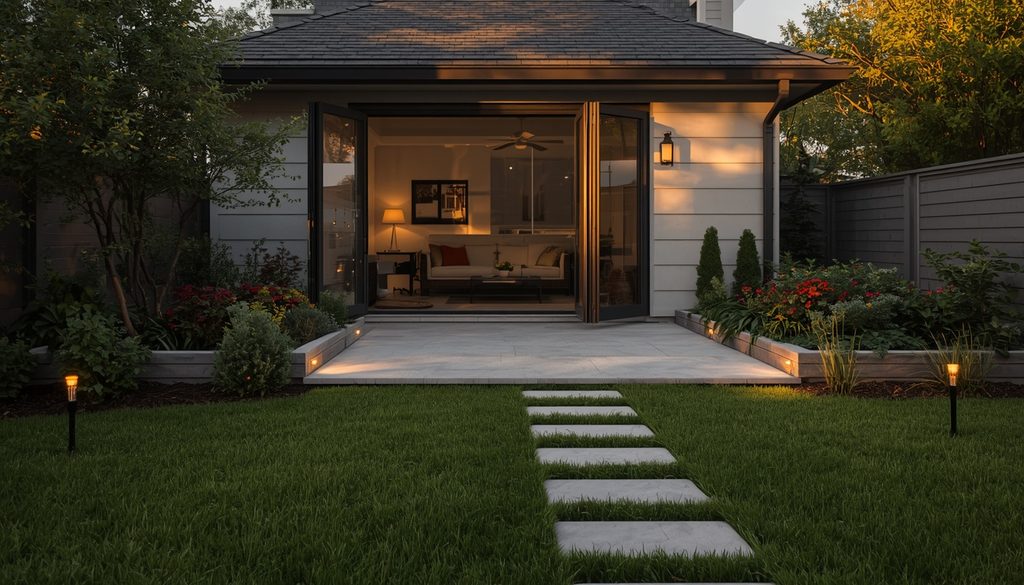
Outdoor spaces make a home feel finished, especially when you plan them as carefully as the rooms inside. A small patio, a backyard, or a narrow side garden can all be places to relax, entertain, or grow things. Good garden design ideas start with the site: its size, drainage, sunlight, and how you’ll use it. Choosing plants comes later.
Your garden should also match the time you actually have to look after it. Think about outdoor space decoration that supports real activities like seating, shade, paths, and storage. For tricky slopes, drainage, or big planting plans, a landscape designer can help. For simpler projects, start with a measured layout and a short, manageable plant list.
Introduction
A garden is part of your home’s environment. It might be a quiet spot to sit, a safe place for kids to play, or a patch for flowers and herbs. The right design depends on how you use the space and how much upkeep you can manage. Aim for a mix of good looks, easy access, proper drainage, and healthy plants.
Before you buy anything, spend time in the area at different times of day. Where does the sun land? Where does water pool? Which corners stay shady? Those answers shape your garden planning, plant choices, and seating spots. A smart garden works with what’s already there instead of fighting it all year.
Understanding Garden Guide Homenumental
A Homenumental garden is simply an outdoor space that feels personal, useful, and connected to your home. You don’t need fancy paving or elaborate structures. A clear layout, healthy plants, and a couple of good features can make even a small garden feel inviting. The point is to build somewhere people want to be.
Think about how the house and garden meet. A patio outside the kitchen suits outdoor meals, while a quiet corner may be better for reading. Residential landscaping should take in the views from inside, the access from the house, and the needs of the people using it. When it’s done well, indoors and outdoors feel like one place.
Importance of Garden Advice Homenumental
Good advice saves you from expensive mistakes. A sun-loving plant will struggle in a shady corner, and a badly placed path can cause drainage problems. Check your soil quality, sunlight exposure, and water supply before you buy plants. Those matter far more than whether a plant looked pretty in a photo.
A healthy garden also needs a routine you can keep up. Think about watering, pruning, fertilizing, and seasonal cleanup before you add more beds. Garden maintenance should fit your schedule and your local climate. Choosing the right plants and materials at the start cuts down on work later.
Planning Your Garden Space
Measure the garden and sketch a simple plan. Mark the house, doors, trees, fences, slopes, and the spots that get different amounts of sun. Then decide where seating, planting, storage, and paths will go. Good backyard landscaping leaves room to move around and lets plants grow without blocking anything.
Build paths around how people will really walk through the garden. Garden pathways can link entrances, seating areas, and beds, and seating works best where there’s shade, privacy, or a nice view. If the ground slopes or water collects near the house, deal with drainage before you add paving or anything heavy.
Choosing the Right Plants
Pick plants that suit your climate, soil, sunlight, and the time you have for upkeep. Native and climate-adapted plants are often a smart choice because they’re used to local conditions. Check how big each plant gets when it’s mature, too. A cute little shrub can grow large enough to block a window or crowd out its neighbors.
Mix heights, textures, and flowering times so the garden stays interesting. Flower garden ideas can bring seasonal color, while shrubs and small trees give it structure. Look up each plant’s water needs and growth habits. A planting plan with some thought behind it is much easier to maintain than a random collection of varieties.
Garden Maintenance Tips
Regular care keeps plants healthy and outdoor areas usable. Water based on what your plants need and your local weather, not a rigid daily schedule. Watering techniques like drip irrigation put water right at the roots and waste less. Check the soil before you water, especially after rain or in cooler weather.
Prune, fertilize, and mulch to suit the plant and the season. Remove dead or damaged growth when appropriate, and don’t add fertilizer until you understand what your soil needs. Soil preparation may mean improving drainage or adding organic matter. Good plant care starts with finding out what each plant needs rather than treating the whole garden the same.
Decoration Guide Homenumental for Outdoor Spaces
Outdoor decor should make the garden more comfortable without getting in the way. Pick seating that handles your local weather, and add shade where people sit. Outdoor gardening can mix flowers, herbs, and useful plants with practical features. A small patio might need nothing more than a table, a few chairs, and decent lighting.
Choose materials that can handle rain, sun, and temperature swings. Garden lighting makes steps and paths safer after dark, so go for water-resistant fixtures and install them safely. And don’t crowd the space with accessories that need constant cleaning or leave no room to move.
Indoor Decoration Guide Homenumental
Indoor decoration works best when it supports what the room is for. A living room needs comfortable seating and layered lighting, while a bedroom should feel restful and uncluttered. Living room decoration can use rugs, art, and furniture placement to define zones. In a bedroom, storage and lighting often matter more than knick-knacks.
Look at how the rooms connect before you choose finishes. Repeating a few colors or materials gives the house a consistent feel. Bedroom decoration should reflect what’s comfortable for you, and home organization tips can keep clutter down. Keep furniture in proportion to the room and leave clear paths around the spots you use most.
Combining Garden and Interior Design
When indoors and outdoors connect, a home feels bigger and more relaxed. Large windows, sliding doors, and similar flooring tones help the eye flow from one to the other. Bring in plants and natural textures where they fit. Indoor plants add greenery to rooms, while outdoor planting can frame the views from your windows and doors.
Think about how the garden looks from inside through the year. Put the nicest plants where you’ll see them from the rooms you use most. Choose durable natural materials and finishes that suit both the house and its surroundings. The connection should feel natural, not like you’ve forced every indoor and outdoor feature to match.
Benefits of Following Homenumental Guides
A clear guide helps you make decisions in a sensible order. You check the property, set a budget, compare materials, and think about upkeep before work starts. That lowers the risk of buying the wrong products or changing plans once construction is underway. The same approach works indoors and out.
A planned approach also tends to make a home more comfortable and easier to live in. Storage, lighting, planting, and circulation all shape daily life. Sustainable materials and suitable planting can reduce waste and ongoing work when chosen carefully. The best results come from choices that fit the property and the people living in it.
Common Mistakes to Avoid
A classic garden mistake is choosing plants before checking the soil and sunlight. Another is putting paths or seating where water collects. Indoors, people buy furniture before measuring the room or pick finishes that are hard to maintain. These slip-ups cost money and leave the finished space less practical.
Don’t use decoration to cover up repairs. Fix damaged fences, poor drainage, leaking fixtures, and unsafe electrical work before adding decorative touches. Avoid overplanting small areas or blocking access with oversized furniture. A simple, well-kept design usually beats an elaborate layout that’s hard to use.
How to Get Started
Pick one area of the home or garden and decide what problem you want to solve. Measure the space, take photos, and list the changes you’re considering. Set a spending limit before you go shopping so you can compare options and avoid buying things that don’t fit the plan.
For bigger projects, get professional advice before work begins, and ask about permits, safety, drainage, structural requirements, and upkeep. For smaller jobs, start with tasks you can do properly with the tools and skills you have. Keep a record of costs and decisions so you stay organized.
Long-Term Improvement and Maintenance
A home needs care long after the renovation is done. Check the roof, gutters, plumbing, seals, ventilation, and exterior finishes on a regular schedule. Clean fixtures the way the manufacturer recommends and fix small damage before it spreads. Maintenance protects the work you’ve paid for and helps you catch problems early.
Outdoor spaces keep changing as plants grow and weather wears on materials. Prune when it’s the right time, refresh mulch, check your irrigation, and repair damaged paths or seating. Seasonal maintenance should reflect your climate and the materials you used. Hang on to product information and contractor paperwork, because it makes future repairs much easier.
Conclusion
Designing a Homenumental renovation comes down to making a home more useful, comfortable, and personal. Start with the problems that affect your day-to-day life, then build a realistic budget and a design that hangs together. Choose materials that suit your home’s conditions, and bring in qualified professionals when the work calls for them.
The same thinking applies to gardens and outdoor areas. Plan around the space, soil, sunlight, drainage, and the time you have to maintain it. Don’t copy trends without asking whether they suit your household. A well-designed home isn’t just attractive on the day it’s finished. It keeps working for the people who live in it.